Key takeaway: ERP implementations rarely cover the custom workflows (like configurator logic, complex quoting, and dealer portals) that keep your manufacturing business running. Identify and plan for those integration gaps before go-live.
The vendor will walk you through a polished interface. The workflow will look clean. The dashboard will make everyone in the room feel good about the investment. The implementation team will have a project plan with milestones, a go-live date, and a clear scope of work.
What the demo won’t cover is what happens to the quoting logic your sales engineers have built over fifteen years. Or what happens to your dealer portal when the system it connects to gets replaced. Or where the configurator knowledge that lives in your most experienced estimator’s head goes when the old system is turned off.
Nobody in that demo is responsible for those things. That’s not a criticism, it’s just how the scope works. The implementation team delivers the implementation. The custom layer between the new system and how your business actually runs? That’s on you.
Most manufacturers find this out after go-live. You don’t have to.
At Clockwork, we work with mid-market manufacturers. We don’t implement ERPs, but we do know exactly what falls outside the implementation scope. That’s because we’re usually the team that gets called when it surfaces.
What are the most common ERP implementation gaps for manufacturers?
Configurator logic doesn’t migrate cleanly.
Your product configurator carries years of institutional knowledge like pricing rules, specification logic, and exception handling that got layered in as the business grew more complex. The implementation team will document what they can in the discovery phase. The rest lives in the heads of the people who built it.
After go-live, that gap shows up in:
- quotes that take longer
- orders that come back wrong
- sales engineers building workarounds before anyone names the problem
The quoting workflow breaks at the handoff
The quote leaves sales with a set of assumptions. The plant receives a set of SKUs. In the old system, something was translated between them. In the new one, that translation hasn’t been rebuilt yet. The gap fills with Slack messages, phone calls, and clarification requests that your production team fields every day — exactly the kind of work the system was supposed to eliminate.
The dealer or distributor portal becomes a liability
The portal your customers use to check lead times, place orders, and access specs was built around the system you’re replacing. Nobody in the implementation scope is rebuilding it. After go-live, “contact sales” replaces the real-time information your customers expected. They notice before you do, and you notice it when the win rate softens.
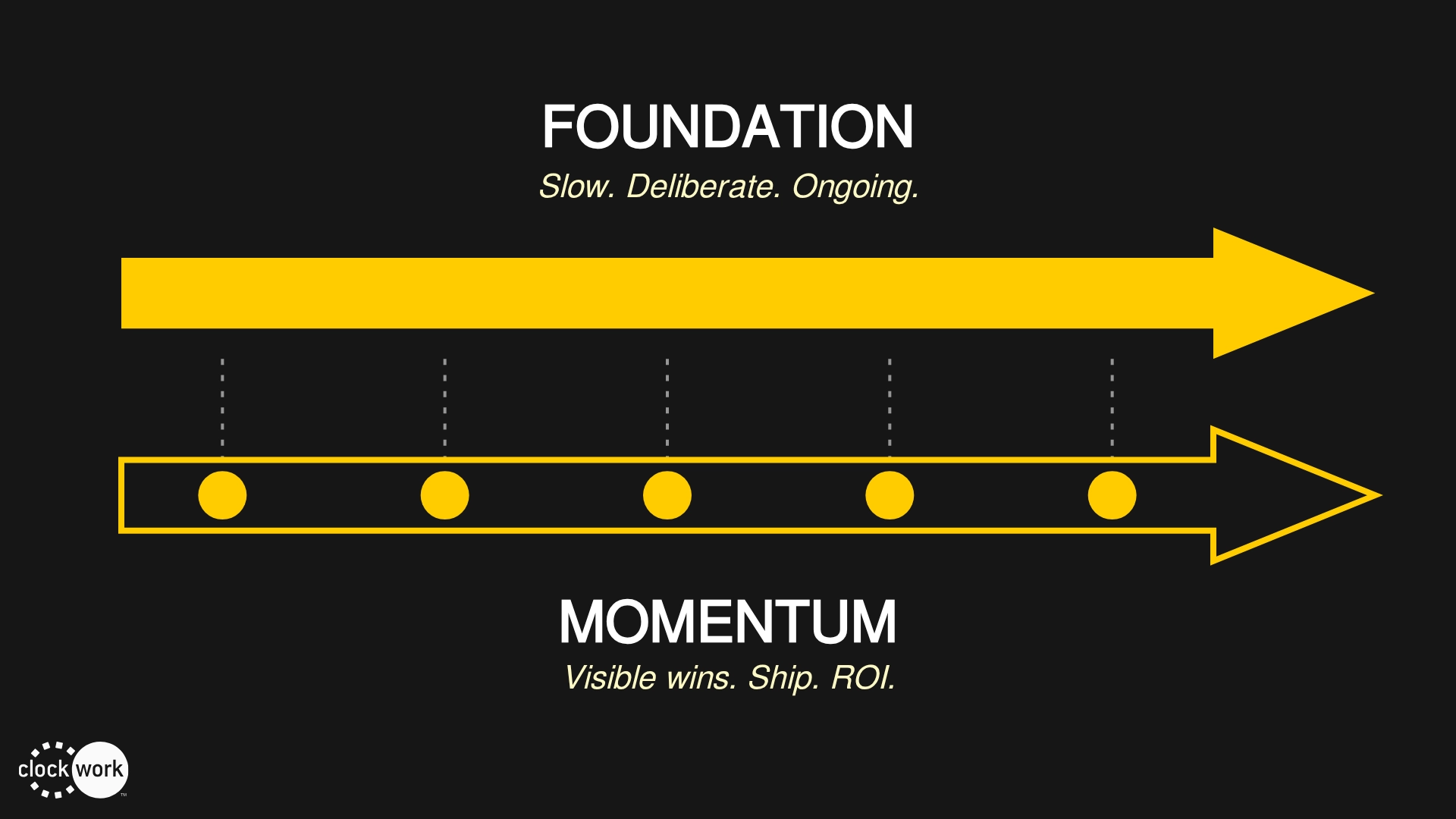
None of this is the ERP vendor’s fault, nor is it on the implementation team. These things sit in the space between the system and the business, and that space is consistently underscoped, not because anyone is cutting corners, but because it genuinely isn’t their problem to solve.
The right time to plan for how to solve this gap is before you sign, not after you go live.
Questions to ask before committing to an ERP implementation
Before you finalize scope with your implementation team, here are three questions worth raising in the next vendor meeting:
- What configurator and quoting logic from the legacy system doesn’t transfer to the new ERP, and who is responsible for rebuilding it?
- Walk me through how a complex, non-standard job flows through the new system end-to-end, without a spreadsheet.
- What is the plan for the dealer or distributor portal in months four through twelve, and is that work in scope?
If the answers are detailed and the implementation team can show you exactly how those gaps get addressed, you’re in good shape. If the answers are short or if the response is, “that part is on you,” now you know what to plan for separately.
If it’s not up to the vendor or the implementation team, then who?
We’re not an ERP vendor, and we’re not an implementation team. We’re the people who know what lives in that gap: the configurator logic, the quoting workflow, the dealer portal. And we’ve been through enough of these transitions to know that the manufacturers who plan for it before go-live are in a very different position than the ones who discover it after.
If you’re mid-evaluation right now or noticing some of these issues in your own organization, send us a message. We’re happy to spend 20 minutes helping you figure out the right questions to ask before you sign.